Cinéscriptographe — Michael Jackson (MJ)
« … et du 177e jour, à bas bruit »
Aperçus cinéscriptographiques (phrases-sources)
Premier trimestre 2008 – juin 2009
— « La sauge divine, ABC quelque chose ! C’est comme un high… »
Message envoyé dans les commentaires à l’émission Sous les Etoiles Exactement, au premier semestre 2008.
— « C’est un peu comme une main qui sort de terre… »
Message envoyé dans les commentaires à l’émission Allô la planète, au premier semestre 2008.
Amplifications :
— Une session de programmations des Jackson Five et de Thriller de Michael Jackson dans l’émission Sur la Route lors du second semestre 2008.
— Quelques diffusions des Jackson Five par petites touches dans les émissions Système Disque, au second semestre 2008.
·
— « Paillettes et barbe à papa. »
Message envoyé dans les commentaires à l’émission Parking de nuit, en septembre-octobre 2008.
·
— Note (24 mai 2009)
« J’avais fait un rêve comme jamais je n’en avais fait. Il est gravé en ma mémoire, profondément ancré. »
(Il mettait en jeu un corps immobile, tenant dans une manche un instrument de souffle — aspiration ou expiration — et, de l’autre côté, des matières pauvres. Deux fils pendaient, susceptibles d’être tendus, comme les cordes d’un instrument de musique.)
Ce rêve n’est pas décrit ici. Il est développé dans le cinéscriptographe de Bahia.
Tenu hors champ, il agit néanmoins comme une réserve de gestes possibles.
Une injonction radiophonique au geste musical l’appellera ci-dessous.
·
— Narration imaginaire (Mardi 16 juin 2009)
« FONDU AU NOIR
Les moniteurs s’allumèrent.
Trêve de plaisanterie :
C’est avec le plus grand effroi que nous apprenons dans un communiqué spécial son admission dans les services du Docteur Piledreem, spécialiste en soins et greffes du visage et des mains, du patient Régis. Le moniteur diffuse des images de Régis, sous haute escorte, son petit cartable sur le dos, emmené fermement.
Les moniteurs s’éteignirent. »
·
— Note (26 juin 2009 00H24)
« Ravi shankar.
Ce soir j’assistais à un concert de Haendel et Mendelssohn, mais j’avais préféré Haydn.
C’était plus fort. »
Intensification :
— Pendant ce temps, Jean Louis Aubert, du groupe Téléphone, invité de l’émission Sous les étoiles exactement, pour la promotion de sa tournée Un tour sur moi-même, lance à l’antenne l’injonction :
« Je ne sais pas, moi, sort ta guitare, et fais la manche ! »
— Suite de la note (26 juin 2009 00H24)
« Abrakalumba
bandestrella bandestrella bandestrella
sunshine »
Évènement ultérieur (Mémoire révélatrice)
Le 26 juin 2009, 177ème jour de l’année, nous apprenons le décès de Michael Jackson vers 2h du matin, en France. Roi de la pop, connu pour son gant à paillettes, la Moonwalk, ses succès avec les Jackson five comme ABC, ou en solo avec Thriller. Il serait mort à la suite d’une administration de propofol par son médecin personnel, un ancien cardiologue.
Au moment de son décès, Michael Jackson préparait une série de concerts annoncée comme sa tournée de retour, intitulée This Is It.
Lecture cinéscriptographique (a posteriori)
Ce cinéscriptographe se déploie selon un régime de signes faibles, ludiques et musicaux, longtemps disséminés, avant d’être soudainement fixés par un événement massif.
Il ne procède ni par annonce ni par montée dramatique, mais par circulation diffuse, par nappes culturelles et perceptives où une figure est partout présente sans jamais être frontalement nommée.
Les premiers aperçus sont marqués par un vocabulaire élémentaire et euphorique : « ABC quelque chose », « c’est comme un high ». Alphabet, drogue douce, élévation. Rien n’est nommé, mais un champ s’ouvre : celui de l’enfance culturelle, du rythme simple, de la montée corporelle et sensorielle. La référence à ABC n’est pas encore Michael Jackson ; elle est une formule, une énergie primaire, un commencement.
Un second aperçu introduit un autre régime : « une main qui sort de terre ». Le geste est à la fois inquiétant et spectaculaire. Il ne décrit rien de précis, mais évoque un surgissement, un retour à la surface, un corps qui insiste. A posteriori, cette image entre en résonance directe avec l’imaginaire de Thriller, sans que cette référence ne soit jamais explicitée sur le moment.
L’amplification musicale agit ensuite de manière diffuse. Les Jackson Five et Thriller circulent par fragments, dans plusieurs émissions, sans focalisation ni annonce. Michael Jackson est présent comme atmosphère culturelle, comme texture partagée, non comme figure centrale. Il est partout, mais sans être encore identifié comme point de gravité.
L’énoncé « Paillettes et barbe à papa » cristallise cette ambivalence. Il associe le brillant, le spectaculaire, le sucré, à ce qui fond, disparaît, ne tient pas. Le corps pop est déjà là : surface scintillante, plaisir immédiat, mais aussi fragilité, dissolution.
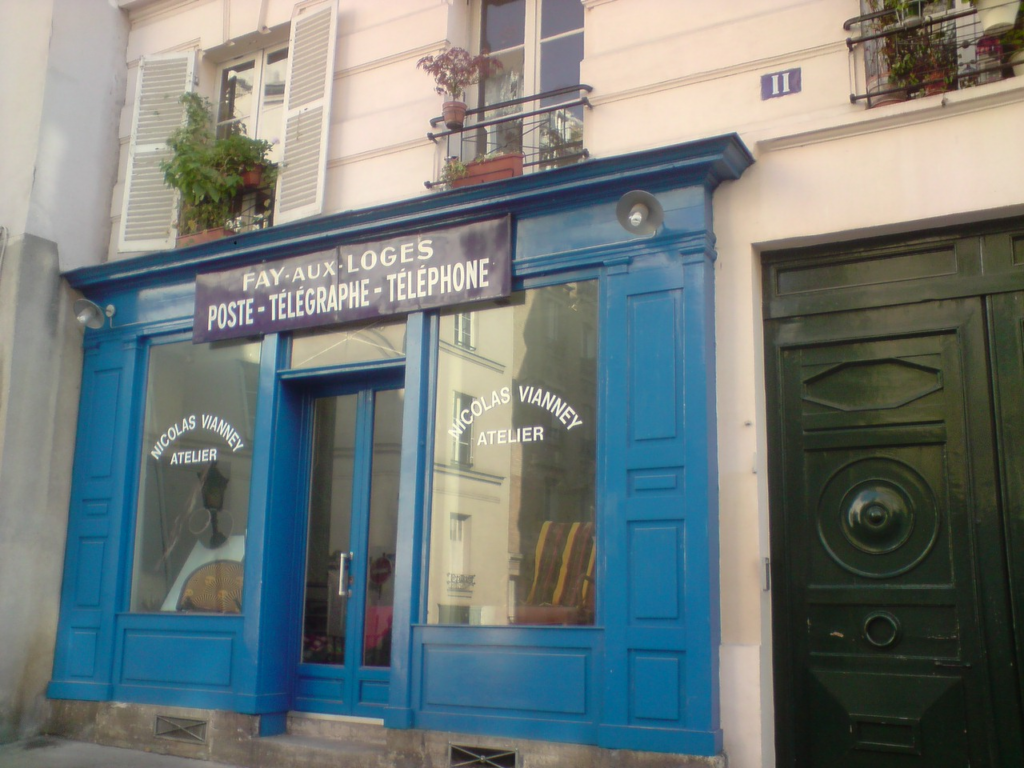
Un détail topographique vient alors s’inscrire, sans commentaire interprétatif. Dans le 5ᵉ arrondissement de Paris, la rue Paillet débouche sur la rue Malebranche, face à une boutique-atelier surmontée d’un ancien panneau émaillé : « Fay-aux-Loges — poste télégraphe téléphone ». Ce n’est pas un symbole, mais un arrêt du regard. Un vestige de signalisation et de transmission ancienne, maintenu dans le présent. Un dispositif d’appel, en attente d’activation. Le signe n’explique rien ; il se contente d’être là. Le chiffre 11, visible mais non commenté, installe une discrète tension formelle.
La note du 24 mai 2009 introduit une réserve souterraine. Un rêve est évoqué, sans être livré. Il est dit exceptionnel, profondément ancré. Quelques éléments seulement sont donnés : un corps immobile, tenant dans une manche un instrument de souffle — aspiration ou expiration — et, de l’autre côté, des matières pauvres. Deux fils pendent, susceptibles d’être tendus, comme les cordes d’un instrument de musique. Ce rêve n’est pas décrit ici. Tenu hors champ, il agit comme un stock de gestes possibles, une potentialité maintenue en suspens.
La narration imaginaire du 16 juin opère un basculement net.
Fondu au noir.
Les moniteurs s’allument. Le langage devient institutionnel, médical, médiatique. Un corps, royal sans couronne visible, est pris en charge, escorté, exposé sous contrôle. Le visage et les mains — lieux de l’identité, du geste et de la reconnaissance — deviennent objets de soin, de greffe, de surveillance.
Puis les moniteurs s’éteignent. L’image disparaît. Rien n’est résolu.
La note du 26 juin, à 00h24, réinstalle une scène d’écoute intime.
Haendel, Mendelssohn, Haydn. Le choix se fait du côté d’une intensité formelle, rigoureuse, presque à l’opposé de la pop. « C’était plus fort » : quelque chose agit, sans être encore nommé. Le corps ressent avant de comprendre.
C’est alors qu’intervient l’injonction radiophonique : « Sors ta guitare, et fais la manche. »
L’appel est clair : passer au geste musical, au corps exposé, à la performance. Cette injonction vient activer la réserve onirique tenue hors champ. Elle fait signe vers un geste déjà là, antérieur, comme si quelque chose avait circulé. Quelque chose passe, sans se fixer.
La réponse écrite — Abrakalumba / bandestrella / sunshine — prend la forme d’une incantation immédiate. Langage magique, étoiles, lumière, répétition rythmique. Le geste musical n’est pas annulé ; il est déplacé. Il ne passe ni par l’instrument, ni par le corps en scène, mais par l’écriture et la voix intérieure, comme l’activation minimale d’un dispositif d’appel, un geste opératoire réduit à son strict pouvoir de passage.
L’instrument de souffle — proche d’une baguette ou d’un sceptre — ne produit pas de musique audible, mais agit comme opérateur. Le mot lancé, Abrakalumba, constitue un geste en soi : non un aperçu parmi d’autres, mais une production minimale, qui n’expose rien et fait comme si quelque chose passait.
La mémoire révélatrice survient sans transition symbolique.
Le 26 juin 2009, 177ᵉ jour de l’année, la mort de Michael Jackson est annoncée. L’événement fixe rétroactivement l’ensemble. Les paillettes, l’ABC, la main surgissante, le corps médicalisé, le souffle administré, la musique omniprésente mais fragmentée : tout se met à résonner après coup, sans avoir été prémédité.
Ce cinéscriptographe ne raconte ni une montée vers la mort, ni une prémonition.
Il met au jour un champ d’apparition où une figure majeure est présente à bas bruit, jusqu’à ce que sa disparition vienne donner une forme à ce qui, jusque-là, restait diffus.
La musique ne manque pas. Elle circule, elle appelle, elle insiste.
Ce qui reste suspendu, c’est son passage au corps — non parce qu’il n’y a pas de geste,
mais parce que le geste a lieu ailleurs que là où on l’attend.
Note
Ce cinéscriptographe rassemble des messages, des écoutes musicales, des notations personnelles et une séquence imaginaire consignés entre 2008 et juin 2009, puis relus après coup à la lumière du décès de Michael Jackson.
Il n’établit aucun lien causal, prédictif ou intentionnel entre ces éléments. Les aperçus sont rapportés comme des traces situées, les amplifications comme des contextes médiatiques effectifs, la narration imaginaire comme une construction mentale explicitement désignée.
La mémoire révélatrice intervient a posteriori, non pour expliquer ni interpréter l’événement, mais pour permettre une relecture d’ensemble selon une configuration marquée par la musique, le corps exposé, la célébrité fragmentée, et la tension entre émergence et disparition.
Ce travail ne vise ni à interpréter ni à instrumentaliser les événements tragiques évoqués.
Il est écrit dans le respect des personnes disparues et de leurs proches.
← Revenir · ↺ Sommaire · → Continuer
Cinescriptograph — Michael Jackson (MJ)
“… and of the 177th day, at a low hum”
Cinescriptographic glimpses (source phrases)
First quarter 2008 – June 2009
— “Divine sage, ABC something! It’s like a high…”
Message sent in the comments section of the radio show Sous les Étoiles Exactement, first half of 2008.
— “It’s a bit like a hand coming out of the ground…”
Message sent in the comments section of the radio show Allô la planète, first half of 2008.
Amplifications :
— A series of broadcasts of the Jackson Five and Michael Jackson’s Thriller on the show Sur la Route during the second half of 2008.
— Occasional, scattered airplay of the Jackson Five on the show Système Disque, second half of 2008.
·
— “Sequins and cotton candy.”
Message sent in the comments section of the radio show Parking de Nuit, September–October 2008
(See photo above : In Paris’s 5th arrondissement, Rue Paillet, perpendicular to Rue Soufflot, opens onto Rue Malebranche, directly facing the workshop at number 11, topped by an old blue-and-white enamel sign reading: “Fay-aux-Loges — post telegraph telephone.”)
·
— Note (May 24, 2009)
“I had a dream unlike any I had ever had before.
It is engraved in my memory, deeply anchored.”(It involved an immobile body, holding in one sleeve an instrument of breath — aspiration or expiration — and, on the other side, poor materials. Two threads hung down, capable of being stretched, like the strings of a musical instrument.)
This dream is not described here. It is developed in the Bahia cinescriptograph.
Kept off-screen, it nonetheless acts as a reserve of possible gestures.
A radio injunction toward a musical gesture will call it forth below.
·
— Imaginary narration (Tuesday, June 16, 2009)
“FADE TO BLACK.
The monitors light up.
No joking around:
It is with the greatest shock that we learn, in a special communiqué, of the admission of the patient Régis to the services of Doctor Piledreem, specialist in facial and hand care and grafts.
The monitor broadcasts images of Régis, under heavy escort, his small schoolbag on his back, being firmly led away.
The monitors go dark.”
·
— Note (June 26, 2009, 12:24 a.m.)
“Ravi Shankar.
Tonight I attended a concert of Handel and Mendelssohn, but I preferred Haydn.
It was stronger.”
Intensification :
— Meanwhile, Jean-Louis Aubert, from the band Téléphone, a guest on Sous les Étoiles Exactement, to promote his tour Un tour sur moi-même, issued the following injunction on air:
“I don’t know — take out your guitar and play for coins!”
— Continuation of the note (June 26, 2009, 12:24 a.m.)
“Abrakalumba
bandestrella bandestrella bandestrella
sunshine”
Subsequent event (Revelatory memory)
On June 26, 2009, the 177th day of the year, we learn of Michael Jackson’s death around 2 a.m. in France.
The King of Pop, known for his sequined glove, the moonwalk, his successes with the Jackson Five such as ABC, and as a solo artist with Thriller, reportedly died following the administration of propofol by his personal physician, a former cardiologist.
At the time of his death, Michael Jackson was preparing a series of concerts billed as his comeback tour, titled This Is It.
Cinescriptographic reading (a posteriori)
This cinescriptograph unfolds according to a regime of weak, playful, and musical signs, long dispersed before being suddenly fixed by a massive event.
It proceeds neither by announcement nor by dramatic escalation, but by diffuse circulation — by cultural and perceptual layers in which a figure is everywhere present without ever being directly named.
The first glimpses are marked by an elementary, euphoric vocabulary: “ABC something,” “it’s like a high.” Alphabet, mild drug, elevation. Nothing is named, yet a field opens: that of cultural childhood, simple rhythm, bodily and sensory ascent. The reference to ABC is not yet Michael Jackson; it is a formula, a primary energy, a beginning.
A second glimpse introduces another regime: “a hand coming out of the ground.” The gesture is both unsettling and spectacular. It describes nothing precisely, but evokes emergence, resurfacing, a body that insists. A posteriori, this image resonates directly with the imagery of Thriller, without that reference ever being made explicit at the time.
Musical amplification then operates diffusely. The Jackson Five and Thriller circulate in fragments, across several radio programs, without focus or announcement. Michael Jackson is present as a cultural atmosphere, a shared texture, not yet as a central figure. He is everywhere, without yet being identified as a point of gravity.
The phrase “Sequins and cotton candy” crystallizes this ambivalence. It links brilliance, spectacle, sweetness, to what melts, disappears, fails to hold. The pop body is already there: a shimmering surface, immediate pleasure, but also fragility, dissolution.
A topographic detail then inscribes itself, without interpretive commentary. In Paris’s 5th arrondissement, Rue Paillet opens onto Rue Malebranche, facing a workshop topped by an old enamel sign: “Fay-aux-Loges — post telegraph telephone.”
This is not a symbol, but a pause in the gaze. A vestige of signaling and ancient transmission, persisting in the present. A calling device, waiting for activation. The sign explains nothing; it simply remains there.
The note of May 24, 2009 introduces an underground reserve. A dream is mentioned, without being delivered. It is said to be exceptional, deeply anchored. Only a few elements are given: an immobile body, holding in one sleeve an instrument of breath — aspiration or expiration — and, on the other side, poor materials. Two threads hang down, capable of being stretched like the strings of a musical instrument. This dream is not described here. Kept off-screen, it functions as a stock of possible gestures, a potential held in suspension.
The imaginary narration of June 16 marks a clear break.
Fade to black.
The monitors light up. Language becomes institutional, medical, media-driven. A body — royal without a crown — is taken in charge, escorted, exposed under control. The face and the hands — sites of identity, gesture, and recognition — become objects of care, grafting, surveillance.
Then the monitors go dark. The image disappears. Nothing is resolved.
The note of June 26, at 12:24 a.m., restores an intimate listening scene.
Handel, Mendelssohn, Haydn. The choice leans toward formal, rigorous intensity, almost the opposite of pop. “It was stronger” — something acts, without yet being named. The body feels before understanding.
Then comes the radio injunction: “Take out your guitar and play for coins.”
The call is clear: move toward musical gesture, exposed body, performance. This injunction activates the off-screen dream reserve. It points to a gesture already there, anterior, as if something had circulated. Something passes, without settling.
The written response — Abrakalumba / bandestrella / sunshine — takes the form of an immediate incantation. Magical language, stars, light, rhythmic repetition. The musical gesture is not cancelled; it is displaced. It passes neither through the instrument nor through the body on stage, but through writing and the inner voice, like the minimal activation of a calling device, an operative gesture reduced to its strict power of passage.
The breath instrument—resembling a stick or a scepter—does not produce audible music, but acts as an operator. The spoken word, Abrakalumba, constitutes a gesture in itself: not a glimpse among others, but a minimal production, which reveals nothing and acts as if something is happening.
The revelatory memory arrives without symbolic transition.
On June 26, 2009, the 177th day of the year, Michael Jackson’s death is announced. The real event retroactively fixes the whole field. Sequins, ABC, the emerging hand, the medicalized body, administered breath, music omnipresent yet fragmented — everything begins to resonate after the fact, without having been premeditated.
This cinescriptograph recounts neither a premonition nor a rise toward death.
It brings to light a field of appearance in which a major figure is present at a low hum, until disappearance suddenly gives form to what had until then remained diffuse.
Music is not lacking. It circulates, it calls, it insists.
What remains suspended is its passage into the body —not because there is no gesture, but because the gesture takes place elsewhere than where it is expected.
Note
This cinescriptograph brings together messages, musical listening, personal notations, and an imaginary sequence recorded between 2008 and June 2009, reread afterward in light of Michael Jackson’s death.
It establishes no causal, predictive, or intentional link between these elements. The glimpses are presented as situated traces; the amplifications as effective media contexts; the imaginary narration as an explicitly designated mental construction.
The revelatory memory intervenes a posteriori, not to explain or interpret the event, but to allow an overall rereading according to a configuration marked by music, the exposed body, fragmented celebrity, and the tension between emergence and disappearance.
This work does not seek to interpret or instrumentalize the tragic events evoked.
It is written with respect for the deceased and their loved ones.